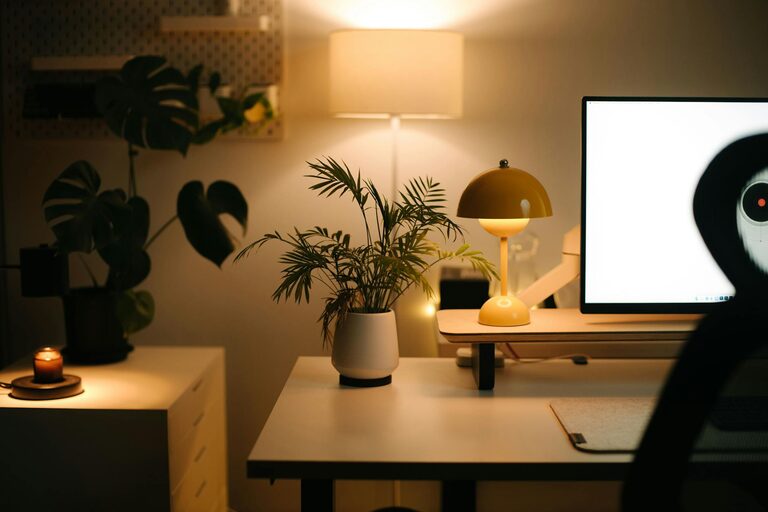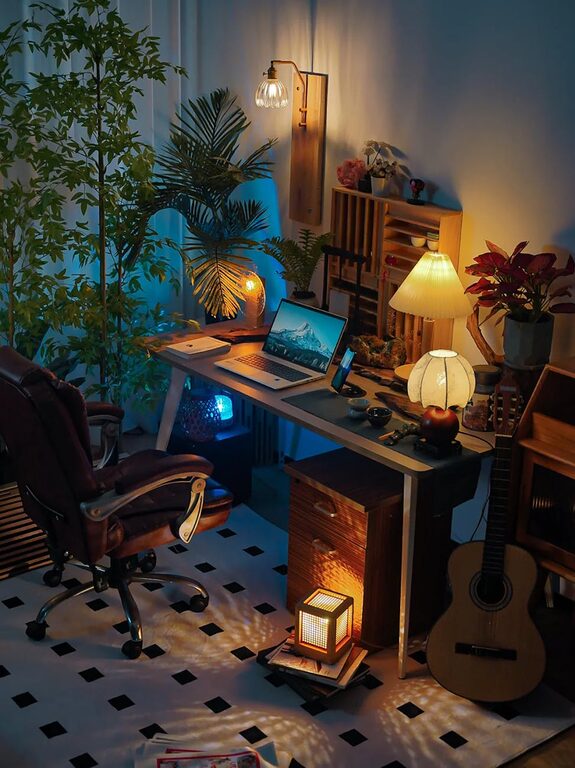
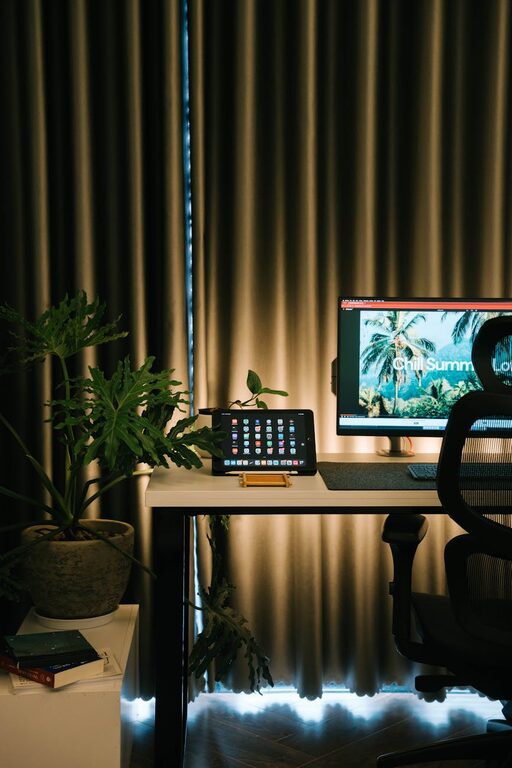
Creating a relaxing home office environment is essential for maintaining productivity and reducing stress when working from home. Your workspace can greatly influence your mood and efficiency, so it’s important to design an area that feels calm, comfortable, and inviting. Below are some practical tips to help you transform your home office into a peaceful haven that inspires productivity.
1. Choose the Right Location
Finding the perfect spot for your home office is the first step. Consider these factors:
– Natural light: A workspace near a window allows for natural light, which improves mood and reduces eye strain.
– Quiet area: Pick a space away from high-traffic rooms or noisy appliances to minimize distractions.
– Ventilation: Fresh air circulation helps keep the room feeling fresh and prevents stuffiness.
If space is limited, even a nook in your living room or bedroom can be arranged to create an effective work zone.
2. Invest in Comfortable Furniture
Comfort plays a big role in how relaxed you feel throughout the day. When choosing furniture:
– Ergonomic chair: Select a chair that supports your lower back and allows you to sit upright comfortably.
– Adjustable desk: A desk with adjustable height lets you alternate between sitting and standing positions.
– Adequate desk space: Make sure your desk is large enough to hold your computer, essential tools, and some personal items without clutter.
Investing in quality furniture may cost more upfront but is well worth it for your health and productivity.
3. Use Soothing Colors and Minimal Decor
Color affects mood and focus. Opt for calming colors such as soft blues, greens, or neutrals for your walls and décor. Avoid overly bright or busy patterns that can be distracting. When decorating:
– Keep it simple: Use minimal accessories to avoid clutter.
– Nature-inspired art: Choose artwork or prints that include natural scenes or calming imagery.
– Plants: Incorporate a few small indoor plants to bring freshness and a sense of calm.
4. Control Lighting for Comfort
Good lighting is key to reducing eye strain and setting a relaxing tone. Tips include:
– Layered lighting: Use a combination of natural light, overhead lighting, and task lamps for balance.
– Adjustable desk lamp: A lamp with adjustable brightness and direction lets you customize light for different tasks.
– Avoid glare: Position screens away from direct sunlight or reflective surfaces.
Using warm-colored bulbs instead of harsh white ones can also contribute to a cozy atmosphere.
5. Keep Your Space Organized and Clutter-Free
Clutter can create stress and make it hard to focus. Use these strategies to stay organized:
– Storage solutions: Use drawers, shelves, or bins to keep supplies and documents out of sight but accessible.
– Desk organizers: Small trays or holders help keep pens, paper, and gadgets neatly arranged.
– Daily tidy-up: Spend a few minutes at the end of each day to clear your desk and prepare for the next day.
A tidy space promotes a clear mind, helping you remain productive and relaxed.
6. Add Personal Touches Wisely
Personalizing your workspace can make it more enjoyable without overwhelming it.
– Photos: A few family or pet photos add warmth.
– Inspirational quotes: Display a motivational phrase to keep your spirits lifted.
– Favorite mug or cushion: Small items that bring comfort can improve your mood.
Remember to limit personal items to a small number to maintain a calm setting.
7. Use Calming Aromas
Certain scents can help reduce stress and improve focus. Options include:
– Essential oils: Lavender, eucalyptus, or peppermint can be used with a diffuser.
– Scented candles: Choose mild, natural scents and never leave candles unattended.
– Fresh flowers: These add both scent and visual appeal.
Use aromas sparingly to avoid overwhelming your senses.
8. Take Breaks and Move Regularly
Even the most relaxing environment won’t prevent fatigue if you stay seated too long.
– Set reminders: Use alarms or apps to remind you to take short breaks.
– Stretch or walk: Small movements relieve muscle tension and boost circulation.
– Mindfulness moments: Take a few deep breaths or practice a quick meditation to refresh your mind.
Regular breaks help maintain your energy and focus throughout the day.
—
Creating a relaxing home office doesn’t have to be complicated or expensive. By thoughtfully choosing your space, furniture, décor, and habits, you can build an environment that supports your well-being and productivity. Start small and personalize your workspace to fit your unique needs and preferences. Before long, you’ll find workdays feel smoother and more enjoyable.